




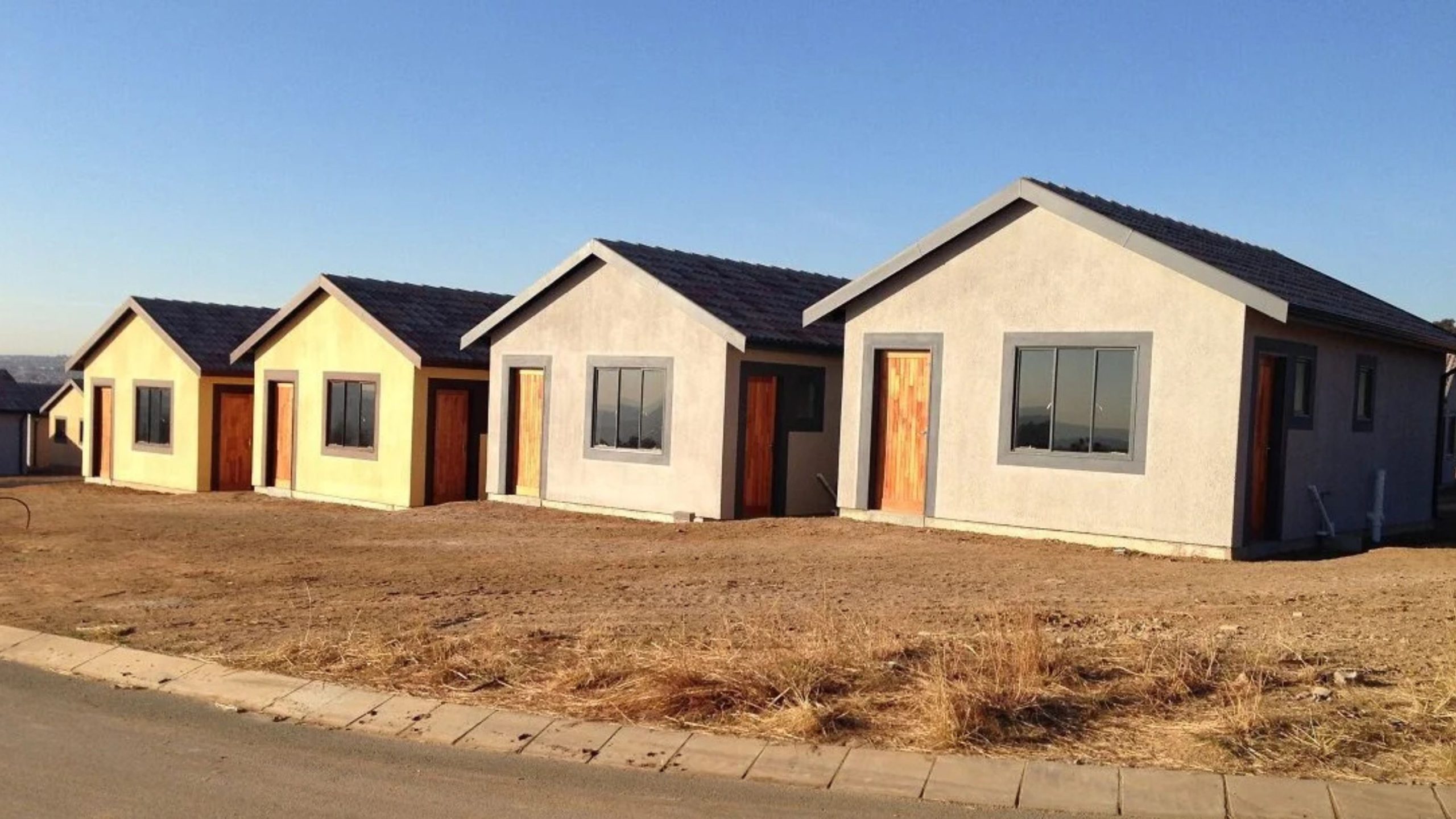
The Reconstruction and Development Programme (RDP) was introduced by the South African government to tackle the housing backlog and provide affordable homes for low-income families. RDP houses give citizens who cannot access the private property market a chance to own safe, decent homes.
Most RDP homes follow a simple design. They usually include two bedrooms, a living area, a kitchen, and a bathroom. In addition, some houses are adapted to meet the needs of families with disabilities. These homes play an important role in improving living conditions, community stability, and access to essential services.
Eligibility Requirements
To qualify for an RDP house in 2025, applicants must meet the following conditions set by the Department of Human Settlements:
- Age: Applicants must be at least 21 years old. In some municipalities, the minimum age is 18.
- Citizenship: Only South African citizens or permanent residents may apply.
- Income threshold: Household income must be less than R3,500 per month.
- First-time homeowner: Applicants should not own property or have received a housing subsidy before.
- Dependants: Single applicants need to have dependants.
- Residency: Applicants must provide proof of residence in the municipality where they apply.
- Special considerations: Authorities prioritise people with disabilities, the elderly, and military veterans.
How to Apply
The application process is straightforward, but accuracy matters.
- Obtain an application form: Visit municipal offices, provincial Department of Human Settlements offices, or community centres. Some provinces also allow online applications.
- Complete the form: Provide personal details, household information, and income status.
- Prepare documents:
- Certified copy of your ID
- Proof of income (payslip or affidavit)
- Proof of residence
- Marriage certificate or documents proving dependants
- Submit your application: Hand it in at a housing office or upload it online if available.
- Keep your records: Once submitted, you receive a registration number that allows you to track your status online or at municipal offices.
Tip: Always check your paperwork carefully before submitting it to avoid delays.
RDP Housing Allocation Process
Once authorities receive your application, they follow these steps:
- Verification: Officials check your details against databases such as the Population Register, Deeds Office, and UIF records.
- Eligibility assessment: They confirm that you meet the set requirements.
- Waiting list placement: Eligible applicants are placed on the National Housing Needs Register or Municipal Housing Database.
- Prioritisation: Up to 80% of houses go to applicants on the waiting list, while the rest are allocated to special cases.
- Allocation: The Municipal Housing Allocation Committee assigns houses to applicants.
- Notification: Successful applicants are contacted and asked to sign a “happy letter” to accept the house.
- Ownership transfer: The Deeds Office issues a title deed, making you the legal homeowner.
Common Challenges and Solutions
Applicants often face obstacles, but there are ways to overcome them:
- Delays in processing: Backlogs happen due to high demand. Solution: Check your status regularly online or at housing offices.
- Incomplete documentation: Missing documents slow the process. Solution: Double-check your submission and keep copies.
- Disputes over allocation: Some communities report unfair practices. Solution: Attend local housing meetings and stay updated about municipal projects.
Post-Allocation Process
After you receive your house, several important steps follow:
- Sign agreements: The legal transfer process confirms your ownership.
- Access services: Municipalities connect water, electricity, and waste removal.
- Maintain responsibility: As the homeowner, you must look after the property and comply with housing rules. Remember, you cannot sell the house within the first eight years without government approval.
Tips for a Successful Application
- Apply as early as possible.
- Confirm your municipality’s exact requirements.
- Keep all copies of your documents and registration number.
- Follow up regularly with officials.
- Join community meetings for updates.
Why Understanding the Process Matters
The RDP housing programme gives thousands of low-income South Africans an opportunity for homeownership. However, delays and mistakes can cause long waiting periods. By understanding the process and requirements, applicants can increase their chances of success.
If you qualify, visit your nearest municipal housing office or check the Department of Human Settlements website: www.dhs.gov.za. You can also monitor your application through the National Housing Needs Register portal at www.ndd.co.za.
Frequently Asked Questions (FAQs)
1. Can I reapply for RDP housing if my application is rejected?
Yes, you can reapply for RDP housing, but you must meet all the eligibility criteria and submit the correct documents.
2. What happens if multiple family members apply for RDP housing?
Only one RDP housing subsidy is granted per household, even if several family members apply through the RDP housing allocation process.
3. How long will I wait on the RDP housing waiting list?
The waiting period for RDP houses in South Africa depends on your municipality. Some applicants wait a few years, while others wait much longer.
4. Can I rent or sell my RDP house in South Africa?
You cannot rent or sell your RDP house within the first eight years. The Department of Human Settlements enforces this rule to protect the RDP housing allocation process.
5. Are RDP houses the same across South Africa?
No. While the standard design includes two bedrooms, a kitchen, and a bathroom, RDP houses differ slightly by province and municipality.
6. What documents do I need for an RDP housing application?
Applicants must provide a certified ID, proof of income, proof of residence, and documents proving dependants. These documents form part of the RDP housing allocation process.
7. Who qualifies for the RDP housing allocation process?
You must be a South African citizen or permanent resident, earn less than R3,500 per month, and be a first-time homeowner to qualify.
8. How do I check my RDP housing application status?
You can track your RDP housing application online through the National Housing Needs Register portal at www.ndd.co.za or visit your municipal office.
9. Do people with disabilities or the elderly receive priority in RDP housing allocation?
Yes. The RDP housing allocation process gives preference to disabled applicants, elderly citizens, and military veterans.
10. Can I apply for RDP housing if I live in an informal settlement?
Yes. Residents of informal settlements qualify for the RDP housing application process if they meet the income and eligibility requirements.
Check also: Avoid RDP Housing Scams: Essential Tips to Protect Yourself
The RDP Housing Allocation Process aims to ensure fairness and provide secure housing to those in need. Applicants who stay informed, submit complete documents, and follow up regularly stand a better chance of receiving a home.
Do you know someone waiting on the list? Share their story or your own experience in the comments.
