




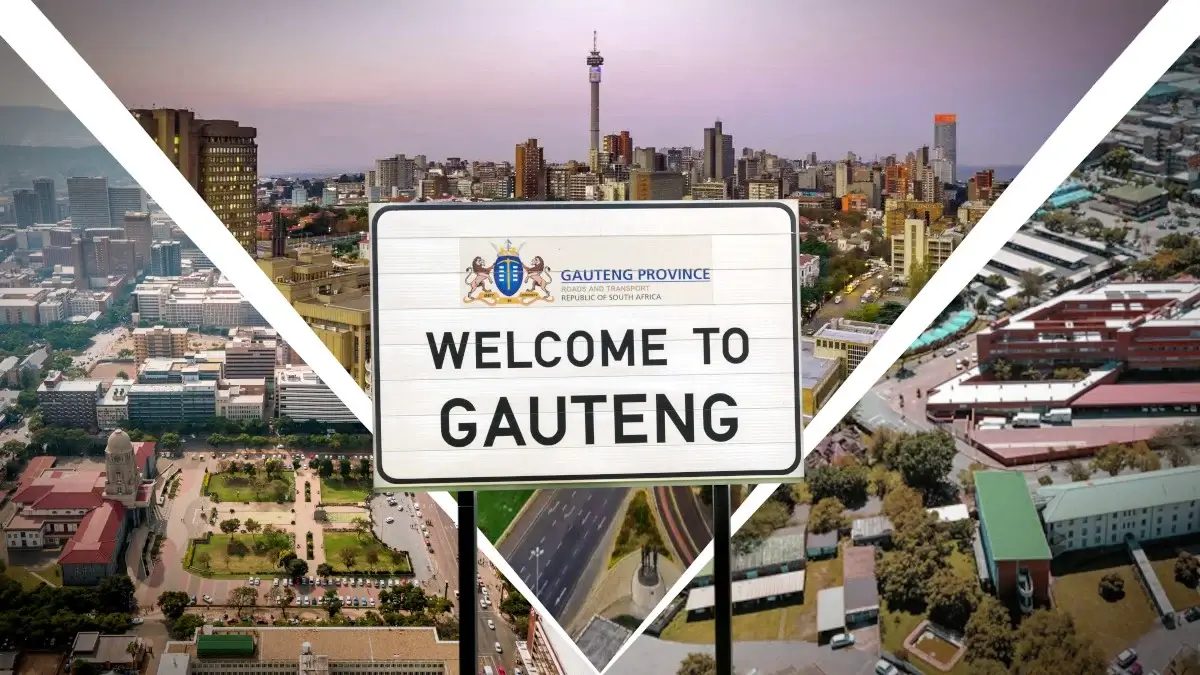
Delegates visiting Gauteng for conferences, summits, and business travel often have limited free time, usually no more than a weekend or two evenings. Johannesburg and Pretoria continue to position themselves as compact, experience-rich cities where culture, food, and leisure can be accessed within short distances. This matters now as Gauteng hosts a growing calendar of national and international events, with visitors increasingly seeking meaningful experiences that fit around professional schedules.
Thank you for reading this post, don't forget to subscribe!This two-day itinerary outlines how delegates can experience Gauteng’s cities within a 48-hour stay, using central districts and established cultural and leisure venues.
ALSO READ: First-Time Business Travel to Gauteng: The Complete Corporate Visitor’s Guide in 2026
Why a 48-Hour Itinerary Works in Gauteng
Gauteng’s urban layout allows visitors to move between cultural sites, dining districts and entertainment venues without extended travel.
Delegates increasingly favour:
- Experiences close to hotels and conference venues
- Flexible evening and early-morning activities
- Areas with multiple options in one precinct
This format allows visitors to engage with the province without committing to full-day excursions.
Day One Morning: Johannesburg Heritage and Orientation
Day one begins in Johannesburg, where major heritage sites provide historical context within a compact area.
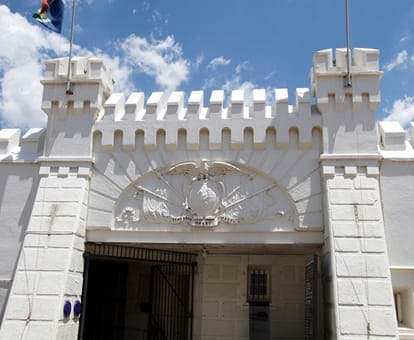
A common starting point is Constitution Hill, which houses the Constitutional Court and former prison buildings now used as museums. Visitors typically spend one to two hours exploring exhibitions that trace South Africa’s political history and democratic transition.
From there, delegates often move into the inner city, remaining close to accommodation and transport routes.
Midday: Food and Art in Johannesburg’s Urban Precincts
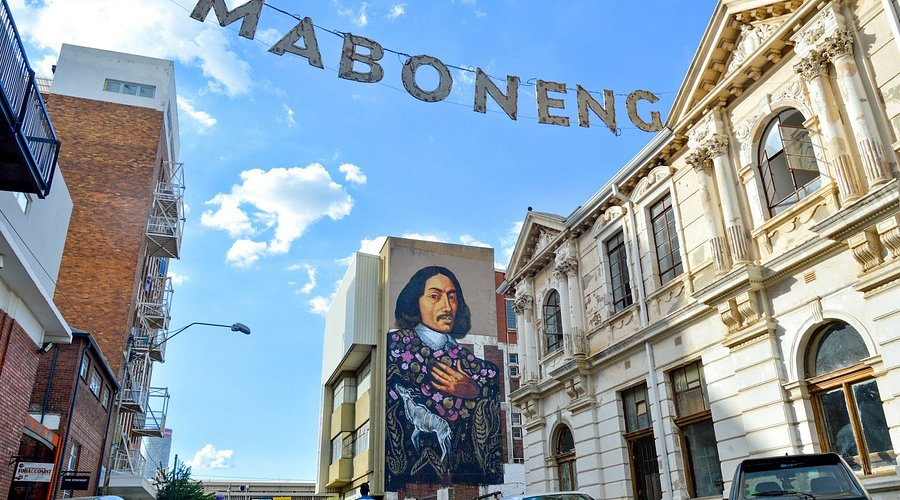
Late morning and lunchtime are often spent in creative districts that combine food, art, and walkable streets.
Popular areas include:
- Maboneng Precinct, known for galleries, street ar,t and independent restaurants
- Braamfontein, particularly on weekends when markets and pop-up food stalls operate
Lunch is usually informal, with delegates choosing cafés or shared-plate restaurants that allow flexibility and quick turnaround.
Afternoon: Museums or City Sightseeing
The early afternoon suits structured but time-limited activities.
Delegates often choose:
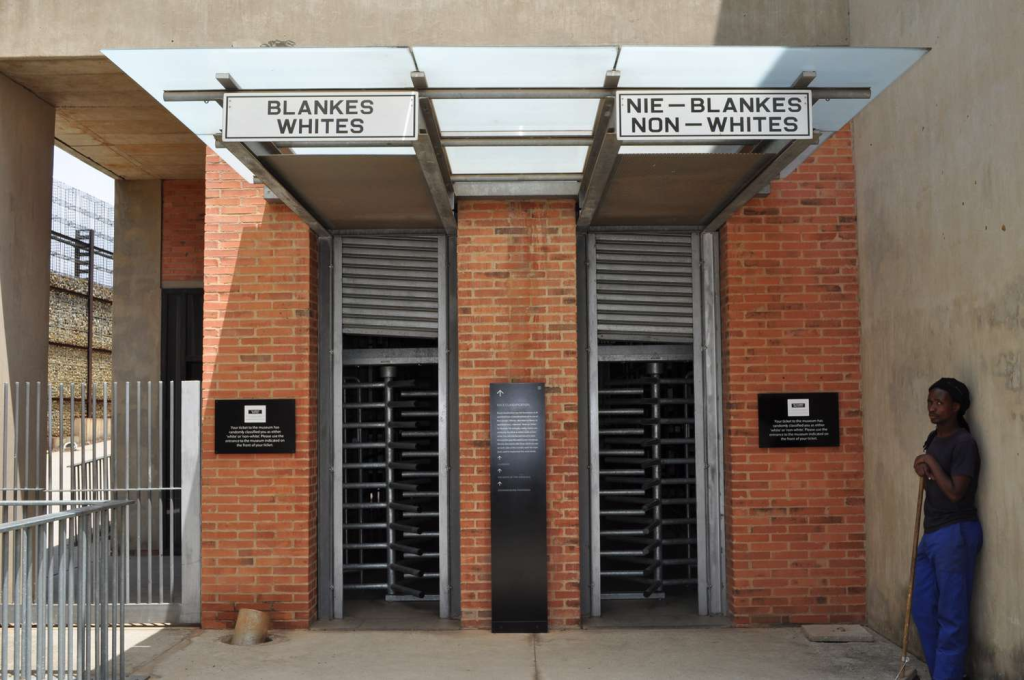
- The Apartheid Museum, which can be completed in under two hours
- A city sightseeing bus route covering Johannesburg landmarks
- Short visits to inner-city public spaces and landmarks
These options allow visitors to engage with the city without overscheduling.
Evening: Dinner and Rooftop Views in Johannesburg
Evenings focus on social dining and city views.
Johannesburg restaurants frequently selected by delegates include:
- Dining options in Rosebank and Sandton offering contemporary South African menus
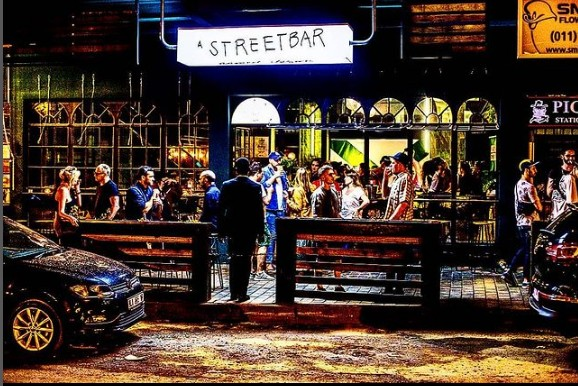
After dinner, rooftop venues such as The Living Room in Maboneng or A Streetbar Named Desire in Rosebank provide sunset views and relaxed evening atmospheres without late-night pressure.
Day Two Morning: Pretoria Landmarks and Open Spaces
Day two shifts to Pretoria, offering a slower pace and formal city design.
Morning stops often include:
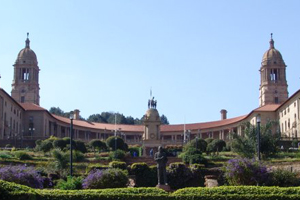
- The Union Buildings and surrounding gardens
- Viewing the Nelson Mandela statue and the city skyline
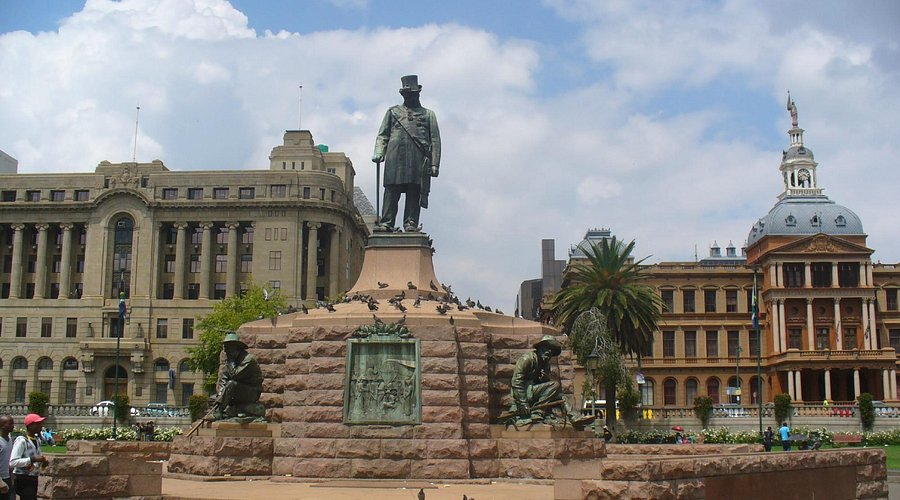
- A brief walk through Church Square
These sites provide insight into Pretoria’s role as South Africa’s administrative capital.
Midday: National Memory and Reflection
Late morning or early afternoon is often reserved for national heritage spaces.
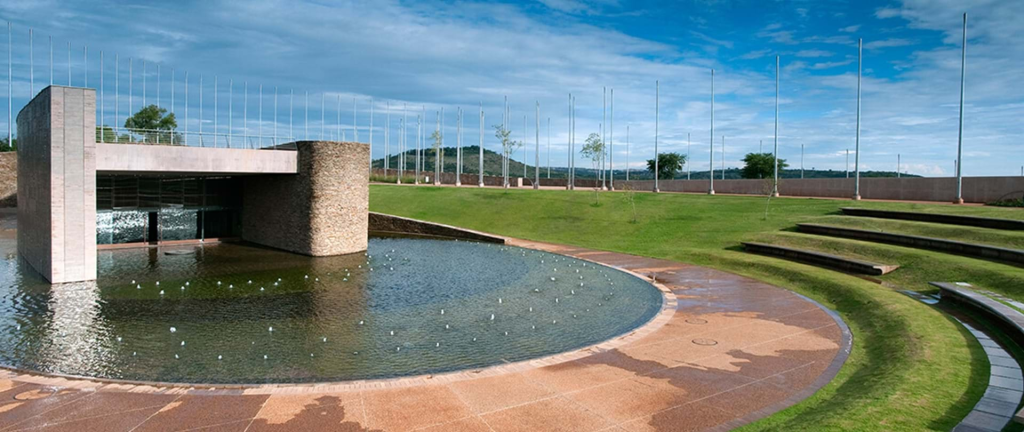
A common choice is Freedom Park, which combines memorial gardens and museum spaces focused on reconciliation, democracy, and shared history. The site allows for quiet reflection and can be explored in a relatively short time.
Afternoon: Lunch and Leisure in Pretoria East
Pretoria East has become a preferred area for relaxed dining and leisure.
Delegates frequently spend time in:
- Hazelwood, known for its cluster of restaurants and cafés
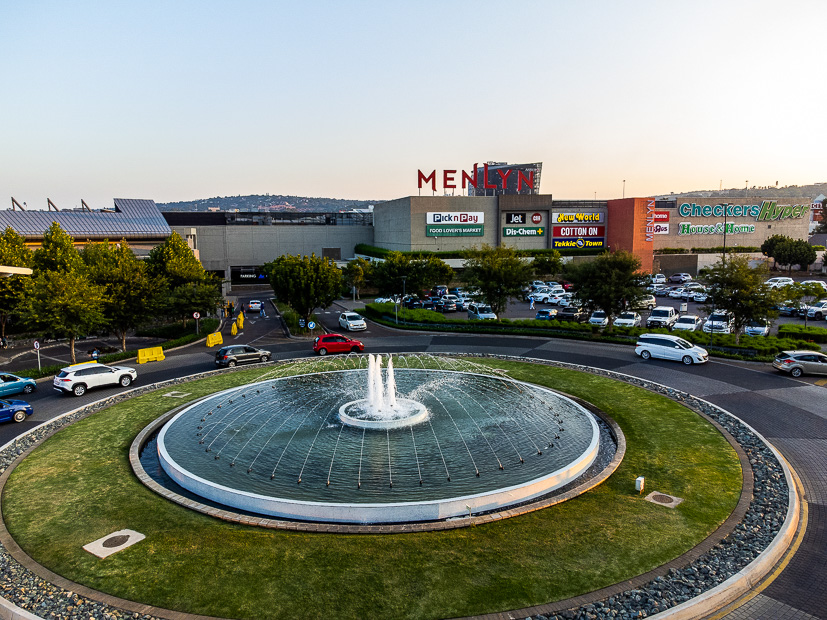
- Menlyn Maine, a mixed-use precinct combining dining, retail, and open spaces
These areas are close to major transport routes and suitable for pre-departure plans.
Evening: Rooftops and Live Music in Pretoria
The final evening favours low-key entertainment.
Options commonly include:
- Rooftop dining at venues such as Skyline Rooftop at Protea Hotel Fire & Ice
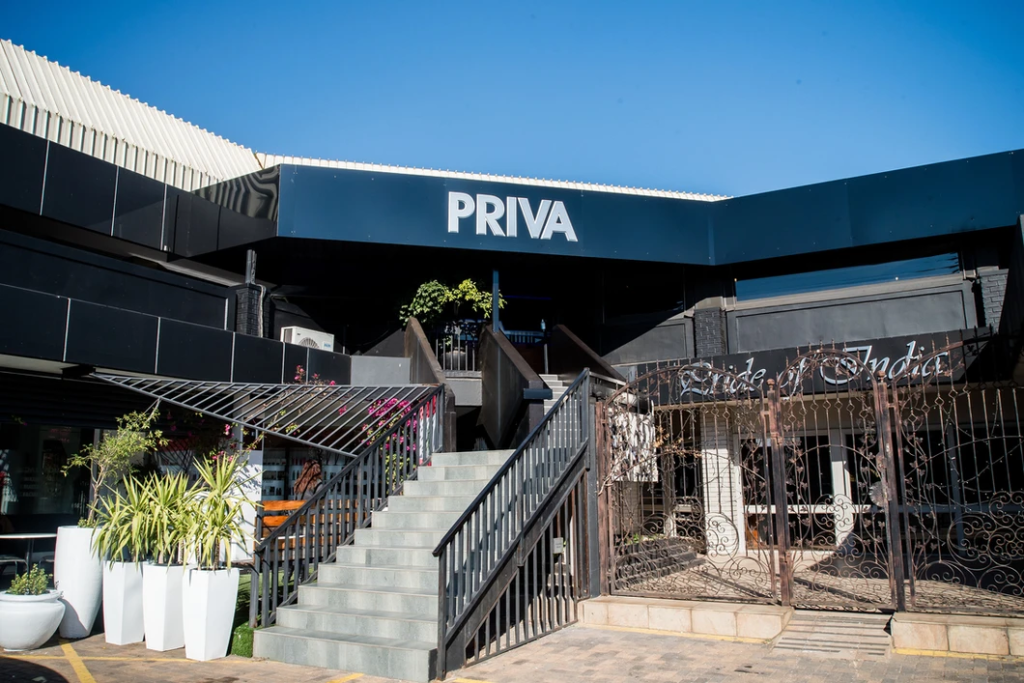
- Jazz and live music evenings at venues like Priva Lounge or theatre-linked lounges
Pretoria’s nightlife generally ends earlier than Johannesburg’s, making it suitable for delegates with travel the next day.
Planning Around Transport and Time
Transport planning remains central to short stays.
Delegates typically prioritise:
- Ride-hailing services
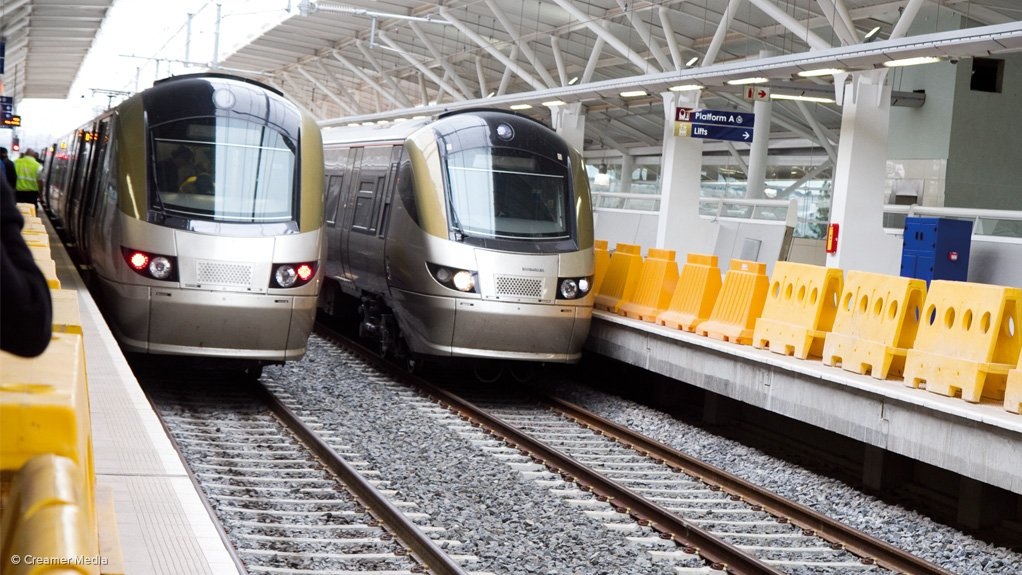
- Rail connections between Johannesburg and Pretoria
- Activities are clustered within one or two districts per day
This reduces travel time and fatigue.

What This Means for Gauteng Residents
Delegate-focused itineraries highlight how Gauteng’s leisure economy serves both visitors and residents. The same restaurants, markets, and cultural sites used by delegates are those that residents frequent after work or on weekends.
This overlap supports local businesses and reinforces investment in walkable, mixed-use precincts.
FAQ: 48-Hour Itineraries in Gauteng
Is 48 hours enough to experience Gauteng?
Yes. Johannesburg and Pretoria offer dense, accessible experiences suitable for short stays.
Do delegates need a car?
Not necessarily. Many areas are accessible via ride-hailing and rail.
Are these venues suitable for weekdays?
Yes. Most operate throughout the week.
Is this itinerary suitable for groups?
Yes. All venues can accommodate individuals and small groups.
Should bookings be made in advance?
Some venues recommend booking during busy periods.
What Happens Next
As Gauteng continues to host major conferences and events through 2026, venues are adapting programming to suit short-stay visitors, including earlier dining times and mid-week live entertainment.
For delegates and residents alike, the 48-hour itinerary is becoming a practical way to experience Gauteng’s culture, food, and city life without long travel or planning commitments.
