




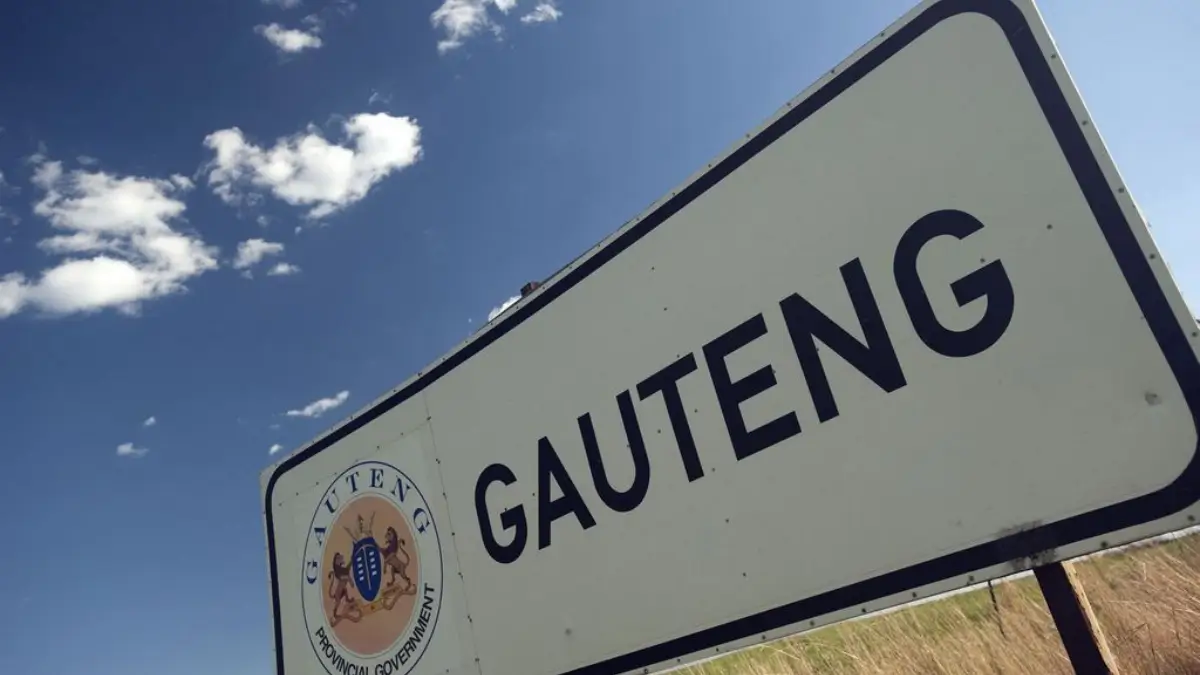
Gauteng continues to position itself as a leading leisure destination, drawing visitors to its mix of culture, food, heritage sites, and urban entertainment. Provincial tourism officials say domestic travel has rebounded steadily, with city-based experiences and township tourism seeing renewed interest. For residents and visitors alike, the province’s leisure offering now spans curated food districts, heritage landmarks, rooftop venues, family attractions, and outdoor escapes, all within short driving distances.
The focus on leisure comes at a time when local tourism plays a growing role in Gauteng’s economy. According to provincial data released in recent tourism briefings, visitor spending supports thousands of jobs across hospitality, events, transport, and retail sectors.
ALSO READ: Leisure in Gauteng: A 48-Hour Culture, Food and City Itinerary
A Province Built Around Access
Gauteng’s advantage lies in proximity. Johannesburg, Pretoria, Ekurhuleni, and the West Rand are connected through highways and the Gautrain network, making it possible to explore multiple districts in a single day.
Tourism operators say the province’s compact geography allows visitors to combine:
- Heritage tourism in Soweto
- Fine dining in Sandton and Rosebank
- Historical exploration in Pretoria
- Nature escapes in the Cradle of Humankind
- Family entertainment hubs in Fourways and Midrand
This accessibility has become central to Gauteng’s leisure identity.
Culture and Heritage at the Core
Gauteng’s cultural footprint remains one of its strongest leisure pillars.
In Johannesburg, Constitution Hill, the Apartheid Museum, and Vilakazi Street continue to attract both domestic and international visitors. In Tshwane, the Voortrekker Monument, Freedom Park, and Union Buildings gardens anchor the capital’s heritage trail.
Township tourism operators say interest in guided tours, local cuisine experiences, and music venues has remained steady.
According to tourism sector representatives, heritage-led experiences are increasingly paired with contemporary cultural spaces such as art galleries, fashion markets, and live performance venues.
Food, Rooftops, and Urban Leisure
Urban leisure remains one of Gauteng’s fastest-growing categories.
Across the province, visitors can access:
- Rooftop dining venues in Sandton and Braamfontein
- Market-style food hubs in Maboneng and 44 Stanley
- Neighbourhood cafés in Parkhurst and Linden
- Waterfront-style dining around Hartbeespoort Dam
- Township shisa nyama and grill culture in Soweto and Tembisa
Restaurant operators report strong weekend foot traffic, particularly during public holidays and long weekends.
Live music venues, comedy nights, and jazz lounges continue to draw evening crowds, reinforcing Gauteng’s reputation as a night-time economy hub.
Family-Friendly Experiences
Gauteng’s leisure ecosystem also caters to families and school groups.
Major attractions include:
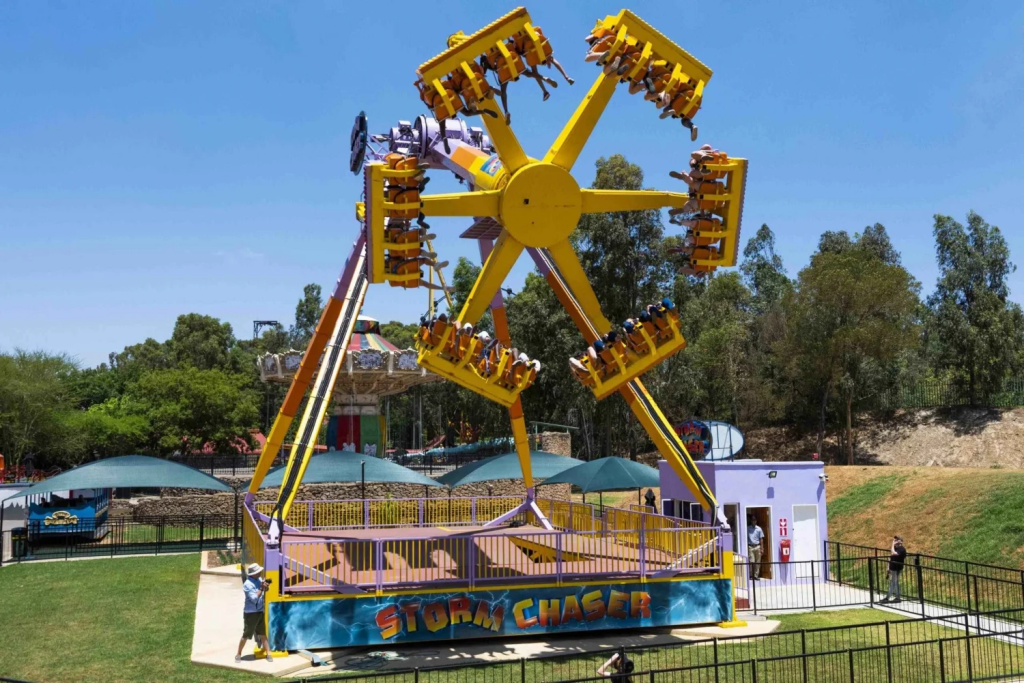
- Gold Reef City theme park
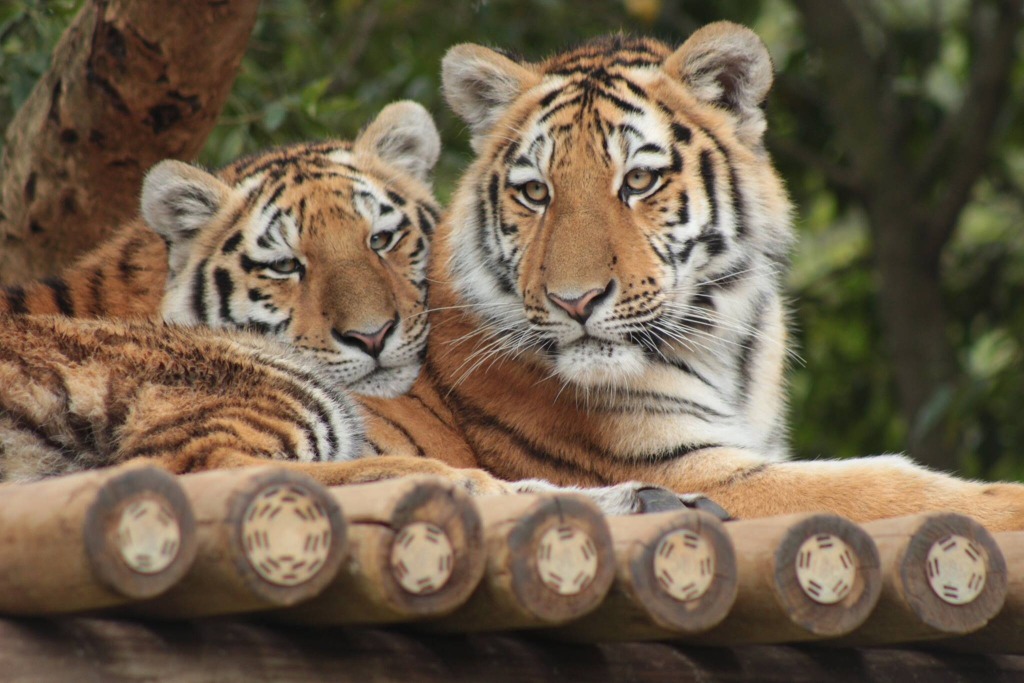
- Johannesburg Zoo
- Pretoria National Botanical Garden

- Montecasino’s entertainment complex

- Irene Village Market
Seasonal events, farmers’ markets, and open-air festivals remain key drivers of family-focused leisure activity.

Tourism analysts say domestic family travel has shown resilience even during periods of economic pressure.
Nature Within Reach
Although urban in character, Gauteng offers accessible outdoor spaces.
The Cradle of Humankind, a UNESCO World Heritage Site, continues to attract educational tours and weekend hikers. Walter Sisulu Botanical Garden and Groenkloof Nature Reserve provide inner-city escapes.
Cycling routes, trail runs, and picnic spaces have become part of the province’s lifestyle branding.
Environmental tourism stakeholders say day-trip nature escapes are particularly popular among Gauteng residents seeking low-cost leisure options.
Events and the Festival Economy
Gauteng’s calendar remains packed with cultural, music, and sporting events.
The province regularly hosts:
- Major concerts at FNB Stadium and SunBet Arena
- Business and lifestyle expos at Gallagher Convention Centre
- Comedy festivals and theatre productions
- Fashion weeks and design showcases
Event tourism contributes significantly to hotel occupancy and restaurant revenue.
Hospitality associations note that large-scale events often trigger multi-day stays, boosting local economic impact.
Economic Significance of Leisure
Leisure tourism plays a direct role in Gauteng’s economic output.
According to tourism briefings presented during recent provincial updates:
- Visitor spending supports hospitality jobs
- Events generate short-term employment
- Restaurant and retail growth links to domestic tourism
- Township tourism supports small enterprises
Industry analysts say strengthening leisure positioning helps stabilise the broader urban economy.
What This Means for Gauteng Residents
For residents, Gauteng’s leisure identity translates into access and variety.
It means:
- Short-distance weekend experiences without long travel costs
- Employment opportunities within hospitality and events
- Cultural preservation through tourism-supported heritage sites
- Revitalised urban districts driven by foot traffic
- Increased investment in public leisure infrastructure
The leisure economy also influences urban renewal projects and safety initiatives around entertainment zones.
As domestic tourism grows, residents increasingly participate not just as visitors but as stakeholders in the local economy.
Browsing Experiences by Category
Gauteng’s leisure offering can broadly be explored across categories:
Culture and History
Museums, monuments, guided township tours, and art galleries.
Food and Nightlife
Restaurants, rooftop venues, jazz lounges, live music spaces.
Family Activities
Theme parks, markets, botanical gardens, zoos.
Outdoor and Nature
Nature reserves, hiking trails, picnic sites, heritage caves.
Events and Entertainment
Concerts, expos, theatre, comedy shows.
Tourism officials encourage structured categorisation to improve discoverability and visitor planning.
FAQ’s
Is Gauteng only an urban leisure destination?
No. While urban by nature, the province includes nature reserves and heritage sites within short driving distances.
Are leisure activities affordable for residents?
Options range from free public parks and markets to premium dining and ticketed events.
Does leisure tourism create jobs locally?
Yes. According to tourism stakeholders, hospitality, events, and township enterprises benefit directly from visitor spending.
Can visitors explore multiple cities in one day?
Yes. The province’s compact geography allows travel between Johannesburg, Pretoria, and Ekurhuleni within relatively short distances.
Is Gauteng focused on domestic or international tourism?
Both. However, domestic travel has become increasingly important in sustaining the sector.
What Happens Next
Provincial tourism bodies continue refining marketing strategies aimed at positioning Gauteng as both a business and leisure destination. Upcoming seasonal campaigns are expected to highlight event-driven travel and township experiences.
Industry stakeholders will monitor visitor numbers and domestic travel patterns throughout 2026 to assess recovery momentum and economic impact.
As competition between provinces intensifies, Gauteng’s ability to maintain a balanced mix of culture, nightlife, family activities, and heritage sites will shape its long-term leisure identity.
